
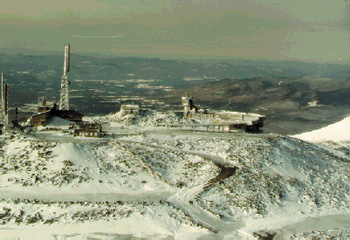
 산의 안테나에서 나오는 신호는 뉴잉글랜드 북부 대부분 지역에 도달합니다.. 그들은 TV와 라디오 프로그램뿐만 아니라 수많은 전화 신호(일반 전화 통화 및 FAA 항공 교통 관제 데이터)를 전달합니다., 게다가 경찰, 화재 및 응급 서비스. 이러한 신호는 수백만 명의 사람들에게 영향을 미치기 때문에’ 생명과 재산 24 하루에 몇 시간, 커뮤니케이션 센터는 다운타임을 감당할 수 없습니다..
까지 1993, 센터의 모든 통신 트래픽, 이를 가능하게 하는 수백만 달러의 전자 장비와 함께, 눈과 같은 자연 현상에 매우 취약했습니다.- 바람에 의한 정전기 방전.
그리고 번개.
1년에 두 번 직접 공격하는 것은 산에서 평균 수준입니다. 날씨가 특히 나쁠 때는 더 많이 발생합니다.. 볼트 하나하나마다, 어느 타워가 지상으로 가는 경로에 있든 최대 수십만 암페어의 전류가 흘러내립니다.. 작은 도시 하나를 밝히기에 충분한 에너지다, 센터의 민감한 통신 장비를 태워버리기에 충분합니다..
정기적으로 그랬던 것. 직접 지상으로 가는 길보다는, 낙뢰 전류가 센터 장비로 누출됨, 원인 $140,000 매년 피해를 입는다. 망가진 하드웨어 비용에 센터의 TV 및 라디오 임차인의 방송 시간 손실도 추가되었습니다., 전화 서비스 중단 및 대중 불편, 비상 통신 중단 및 FAA 항공 교통 통제로 인한 위험은 말할 것도 없습니다..
해결책: 더 나은 접지
필요한 것은 낙뢰 및 기타 정전기 방전에 더 나은 접지 경로를 제공하여 대규모 전류가 통신 장비를 안전하게 우회할 수 있도록 하는 방법이었습니다.. 더 마운틴. 워싱턴 타워는 이미 번개로부터 보호된 것으로 추정됩니다, 하지만 기존 보호 시스템은, 몇 년 전에 설치됨, 좋은 접지 연결이 부족하다는 점에서 절망적으로 부적절했습니다.. 좋은, 낙뢰 및 정전기 방지 측면에서, 접지에 대한 전기 저항이 낮다는 것을 의미합니다.; 산에서. 워싱턴의 사례, 그것은 최대를 의미했습니다. 10 옴 1. 기존 시스템은 접지에 대한 저항이 다음보다 더 큰 것으로 나타났습니다. 1000 옴!
낮은 접지 임피던스를 달성하려면 약간의 노력이 필요했습니다., 산의 6000피트가 넘는 화강암과 영구 동토층을 고려하면. (후지산의 날씨. 워싱턴은 너무 가혹해서 표면 아래의 물에 포화된 암석이 일년 내내 얼어붙은 상태로 남아 있습니다.) 확실히 기존 시스템보다 더 나은 작업이 필요했습니다., 이는 단순히 모든 타워를 10피트의 대규모 배열로 연결하는 것과 관련이 있습니다. (3-엠) 접지봉, 시설의 수도관과 산의 톱니바퀴 철도의 난간!
장비 공급업체의 요구에 따라, 산의 주요 통신 임차인 중 한 곳이 접지 시스템의 품질을 업그레이드하기 위한 조치를 취했습니다.. 회사에서 지상 테스트를 요청했습니다., 주식회사. (GTI), 빌레리카, 매사추세츠 주. GTI는 이후 전국에 걸쳐 지상 및 낙뢰 보호 시스템을 설계하고 설치해 왔습니다. 1989.
기존 보호 시스템을 분석한 후, GTI는 해결책에 대한 유일한 희망을 제공하는 깊은 접지 전극 세트를 제안했습니다.. GTI 측에서는 위험한 제안이었습니다.. 그들의 경험을 통해 그들은 제안된 시스템이 작동해야 한다는 것을 배웠습니다., 하지만 좋은지 아무도 몰랐어, 단단한 화강암에서는 저저항 지반을 얻을 수 있습니다., 영구 동토층이 주입된 화강암이 훨씬 적음.
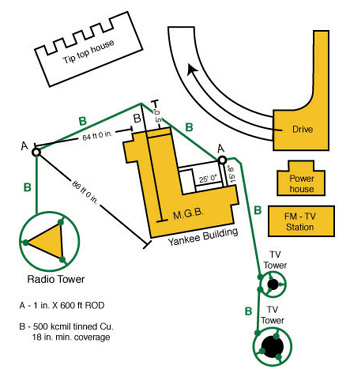 그림 2. 추가된 전극을 보여주는 현장 레이아웃 스케치. 각 타워는 다음과 같이 둘러싸여 있습니다. 500 kcmil 링 그라운드, 각 다리에 발열 용접됨.
600피트 2개 (183-엠) 버려진 우물이 가라앉았다. 61피트 (3-엠), 1인치 (25-mm) 황동 커플링으로 연결된 직경의 구리 피복 접지봉이 각 우물에 설치되었습니다.. 그런 다음 우물은 국립 위생 재단(National Sanitation Foundation)으로 다시 채워졌습니다. (NSF)-승인됨, 환경적으로 허용되는 벤토나이트. 벤토나이트, 와이오밍주에서 채굴된 천연 점토광물, 수분을 유지하고 접지와의 전기적 접촉을 유지하는 데 도움이 됩니다.. 동시에, pH 완충 작용으로 구리 피복 전극의 부식을 최소화합니다..
설치를 완료하려면, 버트 브룩스, GTI 회장, 모든 수평 연결을 발열 용접하고 시스템의 모든 구성 요소를 500kcmil 구리 케이블을 사용하여 연결하도록 지정했습니다.. 케이블이 NEC에서 요구하는 최소 게이지보다 무겁습니다., 하지만 GTI는 약간의 추가 비용이 저렴한 보험이라고 생각했습니다..
그림 2 추가된 두 전극의 위치를 보여줍니다. (A), 스테이션 마스터 접지 버스에 대한 연결 (M.G.B.). A 500 kcmil 구리 링 접지는 각 타워 주변에 설치되었으며 각 타워 다리에 발열 용접되었습니다., 그런 다음 그림과 같이 전극에 연결됩니다.. 마스터 접지 버스는 모든 구조물의 접지 전극이 전기적으로 연결되는 구리판입니다..
검색 결과
GTI의 경험이 성과를 거두었습니다.. 새로운 시스템은 모두의 기대를 뛰어넘었습니다.. 접지 저항은 8옴에서 9옴 사이였습니다., 사양 범위 내에서 이전 시스템보다 훨씬 낮은 수준.
더 마운틴. 워싱턴 통신 시설은 새로운 접지 시스템이 설치된 이후 5년 동안 번개 또는 기타 방전으로 인한 원인으로 인해 심각한 장비 손실이나 정전이 발생한 적이 없습니다.. 중요한 추가 혜택으로, 접지 전위가 크게 감소하여 현장의 전력 품질이 눈에 띄게 향상되었습니다..
새로운 접지봉은 낮은 임피던스를 유지했습니다.. 그리고, 악천후와 여러 번의 동결-해동 주기에도 불구하고, 모든 구리 연결은 건전한 상태로 유지되었습니다, 느슨해짐이나 부식의 흔적이 없이.
최종적으로, 새로운 보호 시스템은 타워의 임차인에게 경제적으로 합리적입니다.. 낙뢰로 손상된 장비를 교체하는 데 드는 연간 비용보다 설치 비용이 훨씬 저렴했습니다., 정전 및 신호 중단으로 인한 수익 손실은 말할 것도 없습니다.. 의심의 여지없이, 후지산. 두 개의 시추공에 대한 워싱턴의 투자, 올바르게 설치된 한 쌍의 구리 피복 접지 전극과 수백 미터의 500 kcmil 구리 케이블은 여러 번 그 자체로 가치를 얻었습니다.. 훨씬 더 중요한, 물론, 뉴잉글랜드의 통신 고객이 현재 누리고 있는 향상된 신뢰성입니다..
교장
버트 브룩스 지상 시험 회장, 주식회사. 이후 1989 회사는 포괄적인 접지 저항 테스트를 제공했습니다., 국제적으로 접지 전극 시스템의 설계 서비스 및 설치 서비스를 제공합니다.. 그들은에 위치해 있습니다: 330 보스턴 로드, 빌레리카, MA 01862, 다음 연락처로 연락하실 수 있습니다.:전화: 978-670-8455 팩스: 978-670-8470 이메일: 리*******@*is.net
각주
최대 허용 접지 저항은 여러 요인에 따라 달라집니다., 보호할 장비의 유형을 포함하여. Mt에 대해 지정된 최대 저항. 워싱턴 시설은 10 옴; 다른 상황에서는 1~2옴 정도의 낮은 접지 저항이 필요할 수 있습니다..
출처 : 구리 개발 협회 Inc의