
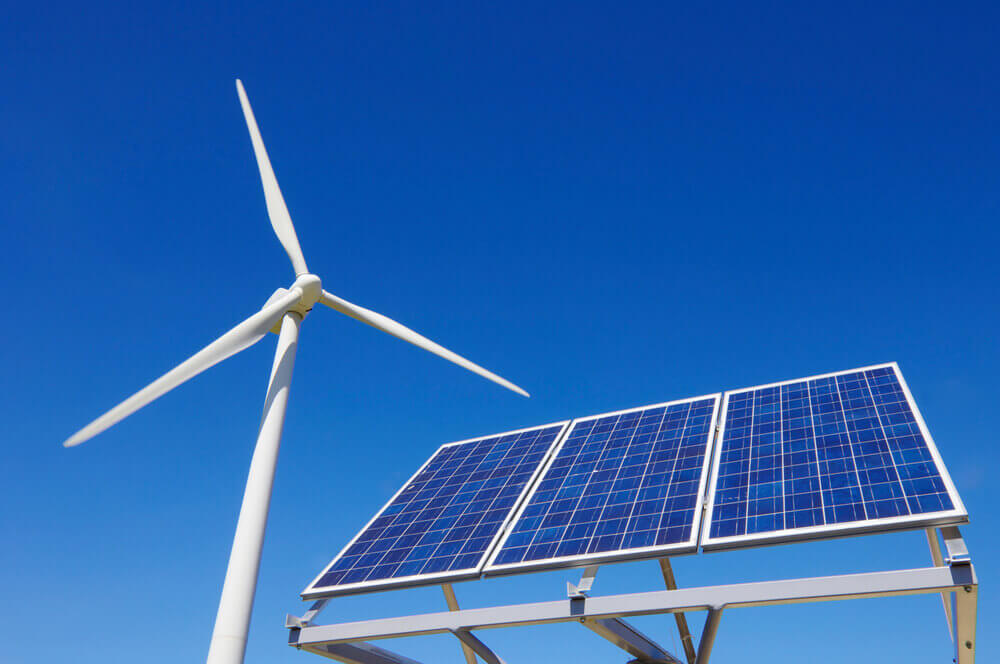
يعد اتخاذ قرار بتوليد الطاقة المتجددة الخاصة بك خطوة قوية نحو استقلال الطاقة وتقليل البصمة الكربونية. لكن, أحد الأسئلة الأكثر شيوعًا التي نسمعها هو: “هل يجب علي تركيب الألواح الشمسية أو توربينات الرياح?”
الحقيقة هي, لا يوجد واحد “أفضل” خيار. يعتمد الاختيار الصحيح كليًا على موقعك المحدد, خصائص الملكية, وأهداف الطاقة.
فيما يلي دليل شامل لمساعدتك في اختيار التقنية المناسبة لموقعك.
العوامل الرئيسية في قرارك
قبل أن نتعمق في الإيجابيات والسلبيات, تحتاج إلى تقييم ثلاثة عوامل حاسمة على الممتلكات الخاصة بك:
- الموارد الخاصة بك: هل لديك المزيد من الشمس أو المزيد من الرياح?
- المساحة الخاصة بك: هل لديك حقل واسع مفتوح أو سطح قوي?
- ميزانيتك: هل تبحث عن أقل تكلفة مقدمة أو أفضل استثمار طويل الأجل لموقفك المحدد؟?
دعونا نحلل كيف تتراكم الطاقة الشمسية وطاقة الرياح ضد بعضها البعض.
الطاقة الشمسية الكهروضوئية (PV) قوة: البطل المتسق
الطاقة الشمسية هي الخيار الأكثر شعبية للطاقة المتجددة السكنية والتجارية، وذلك لسبب وجيه. إنه أمر يمكن التنبؤ به, هادئ, ويتطلب القليل من الصيانة.
الطاقة الشمسية هي الخيار الأفضل إذا:
· لديك مشمس, سقف أو أرض دون عائق. التعرض للجنوب (في نصف الكرة الشمالي) مع عدم وجود ظل من الأشجار أو المباني مثالية.
· أنت تعيش في إحدى الضواحي أو المناطق الحضرية. الألواح الشمسية سرية, صامت, وليس لها أجزاء متحركة, مما يجعلها مثالية للأحياء السكنية.
· ذروة استخدامك للطاقة تكون خلال النهار. تولد الألواح الشمسية الطاقة على وجه التحديد عندما تكون الشمس خارجة, تعويض التكلفة العالية لتكييف الهواء أثناء النهار أو العمليات التجارية.
· تريد حلاً منخفض الصيانة. مع عدم وجود أجزاء متحركة, عادةً ما تحتاج الألواح الشمسية إلى التنظيف مرتين فقط في السنة وغالبًا ما تأتي معها 25+ ضمانات سنة.
إيجابيات الطاقة الشمسية:
· القدرة على التنبؤ: يمكن التنبؤ بإنتاج الطاقة الشمسية إلى حد كبير بناءً على بيانات الطقس التاريخية.
· الجماليات: يمكن دمج الألواح في أسطح المنازل بشكل أكثر تكتمًا من التوربينات.
· صيانة منخفضة: عدم وجود أجزاء متحركة يعني احتمال حدوث خطأ أقل.
· قابلية التوسع: من السهل البدء بنظام أصغر ثم التوسع لاحقًا.
سلبيات الطاقة الشمسية:
· التوقف ليلا: لا تولد الألواح الشمسية الطاقة ليلاً بدون نظام تخزين البطارية.
· الكفاءة في السحابة/الظل: ينخفض الإنتاج بشكل ملحوظ في الأيام الملبدة بالغيوم أو إذا كانت الألواح مظللة جزئيًا.
طاقة الرياح: قوة الليل
يمكن لتوربينات الرياح الصغيرة أن تكون فعالة بشكل لا يصدق, لكن لديهم متطلبات موقع محددة للغاية. أنها تولد الطاقة ليلا ونهارا, مما يجعلها مكملاً رائعًا للطاقة الشمسية.
الرياح هي الخيار الأفضل إذا:
· أنت تعيش على مساحة كبيرة, الملكية الريفية. تحتاج عمومًا إلى فدان واحد على الأقل من الأرض لتثبيت برج بأمان وفعالية.
· متوسط سرعة الرياح لديك هو 10-12 ميلا في الساعة (4.5-5 آنسة) أو أعلى. يمكنك التحقق من خرائط الرياح, لكن البيانات الخاصة بالموقع أمر بالغ الأهمية. وتزداد سرعة الرياح بشكل كبير مع ارتفاع البرج.
· أنت بحاجة إلى الطاقة في الليل أو خلال فصل الشتاء. غالبًا ما تهب الرياح بقوة عندما لا تكون الشمس مشرقة, مما يجعلها اقترانًا ممتازًا للأنظمة خارج الشبكة.
· تقسيم المناطق المحلية الخاص بك يسمح بذلك. تفرض العديد من البلديات قيودًا صارمة على الارتفاع مما يجعل من الصعب السماح بتوربينات الرياح.
إيجابيات الرياح:
· 24/7 إنتاج: يمكن للرياح توليد الكهرباء في أي وقت من النهار أو الليل.
· ارتفاع الناتج لكل قدم مربع: في مكان عاصف باستمرار, يمكن لتوربين واحد أن ينتج كهرباء أكثر من مصفوفة على السطح تغطي نفس المنطقة.
· أداء الشتاء: الرياح غالبا ما تكون أقوى في فصل الشتاء, في حين أن إنتاج الطاقة الشمسية أقل, توفير توازن أفضل على مدار العام.
سلبيات الرياح:
· الاضطراب: للعمل بشكل جيد, يجب وضع التوربينات 30 قدم فوق أي شيء في الداخل 500 قدم. في مضطرب (عاصف) الرياح بالقرب من الأشجار أو المباني, سوف يتآكل التوربين بسرعة وينتج القليل من الطاقة.
· صيانة: مع الأجزاء المتحركة (علبة التروس, شفرات), تتطلب التوربينات صيانة منتظمة أكثر من الألواح الشمسية.
· الضوضاء والجماليات: تخلق التوربينات أ “أزيز” الصوت والحضور البصري الذي قد لا يقدره الجيران.
· الحياة البرية: يمكن أن تتأثر الطيور والخفافيش بالشفرات الدوارة.
الطاقة الشمسية مقابل. رياح: مقارنة وجها لوجه
ميزة توربينات الرياح الصغيرة للطاقة الشمسية الكهروضوئية
أفضل موقع حضري, الضواحي, ريفي ريفي, الزراعية, بعيد
المساحة المطلوبة سقف أو مساحة أرضية صغيرة 1+ فدان, مطلوب برج طويل
ضوء الشمس الوقود الأساسي (يتطلب سماء صافية) رياح (يتطلب 10-12+ متوسط ميلا في الساعة)
وقت الإنتاج نهارا فقط في أي وقت (يوم, ليلة, شتاء)
الصيانة منخفضة جدًا (لوحات نظيفة) معتدل (الأجزاء المتحركة)
مستوى الضوضاء صامت ملحوظ “ووش”
التأثير البصري منخفض إلى متوسط مرتفع
السماح عادةً ما يكون مباشرًا ومعقدًا في كثير من الأحيان (قيود الارتفاع)
الحل الهجين: الحصول على أفضل ما في العالمين
لمن لديه المساحة والموارد, يعد النظام الهجين للطاقة الشمسية وطاقة الرياح بمثابة الكأس المقدسة للطاقة المتجددة المنزلية.
· كيف يعمل: تتعامل الطاقة الشمسية مع الأحمال النهارية, بينما تلتقط الرياح الركود في الليل وخلال أشهر الشتاء العاصفة.
· الفائدة: يؤدي هذا المزيج إلى إمدادات طاقة أكثر استقرارًا على مدار العام. كما يسمح لك أيضًا بتقليص حجم بنك البطارية الخاص بك, حيث أن لديك مصدرين لشحنه في أوقات مختلفة.
· من هو؟: يعد هذا مثاليًا للمنازل أو العقارات البعيدة عن الشبكة التي تتمتع بموارد ممتازة من الشمس والرياح.
اتخاذ قرارك النهائي: قائمة مرجعية بسيطة
لمساعدتك على اتخاذ القرار, قم بتشغيل قائمة المراجعة السريعة هذه:
- تحقق من الخريطة: انظر إلى خريطة موارد الرياح لمنطقتك. إذا كنت في منطقة منخفضة الرياح (معظم الولايات المتحدة. الساحل الشرقي, مثلا), من المرجح أن تكون الطاقة الشمسية هي الفائز.
- انظر إلى السقف الخاص بك: هل يواجه سقف منزلك الجنوب ويحصل على شمس كاملة؟? إذا كانت الإجابة بنعم, الطاقة الشمسية هي الطريق الأسهل.
- أنظر إلى أرضك: هل تمتلك عدة أفدنة من الأراضي مع عدد قليل من الأشجار? إذا كانت الإجابة بنعم, قد يكون من المفيد الحصول على تقييم للرياح.
- التحدث مع جيرانك: هل أنت في حي كثيف? من المحتمل أن يتم رفض توربينات الرياح من قبل مجالس تقسيم المناطق والجيران, جعل الطاقة الشمسية الخيار الوحيد القابل للتطبيق.
- استشر أحد المتخصصين: تقييم الموقع لا يقدر بثمن. يمكن للمحترف قياس إمكانات الطاقة الشمسية بدقة وتقدير سرعات الرياح على ارتفاع البرج.