
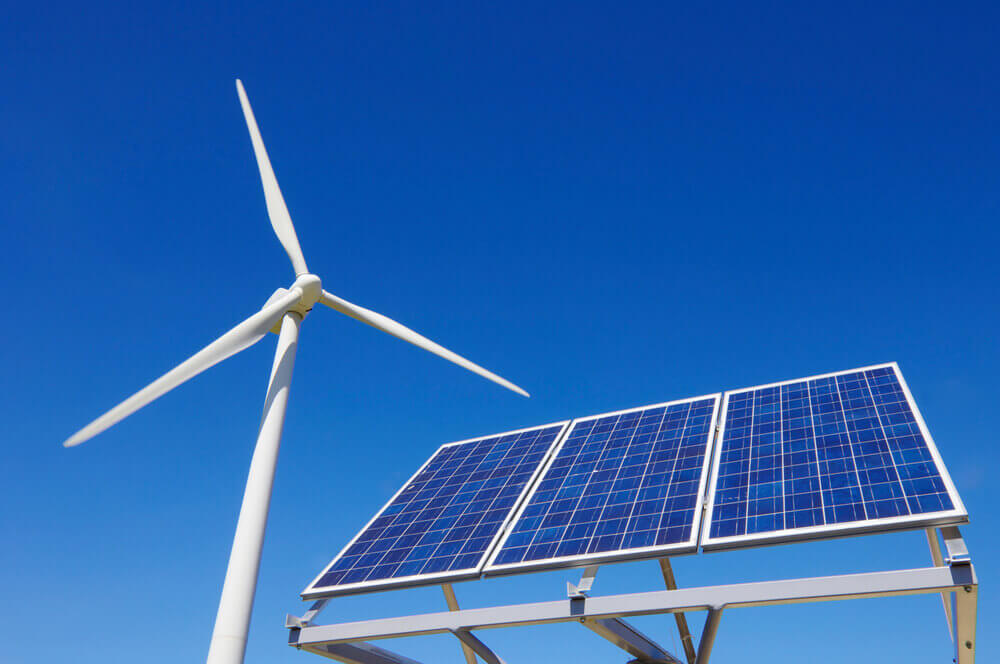
अपनी स्वयं की नवीकरणीय ऊर्जा उत्पन्न करने का निर्णय ऊर्जा स्वतंत्रता और छोटे कार्बन पदचिह्न की दिशा में एक शक्तिशाली कदम है. तथापि, सबसे आम प्रश्नों में से एक जो हम सुनते हैं: “क्या मुझे सौर पैनल या पवन टरबाइन स्थापित करना चाहिए??”
सच तो यह है, कोई अकेला नहीं है “best” विकल्प. सही चुनाव पूरी तरह से आपके विशिष्ट स्थान पर निर्भर करता है, संपत्ति की विशेषताएं, और ऊर्जा लक्ष्य.
आपकी साइट के लिए सही तकनीक चुनने में आपकी मदद करने के लिए यहां एक व्यापक मार्गदर्शिका दी गई है.
आपके निर्णय में प्रमुख कारक
इससे पहले कि हम पेशेवरों और विपक्षों में उतरें, आपको अपनी संपत्ति पर तीन महत्वपूर्ण कारकों का मूल्यांकन करने की आवश्यकता है:
- आपका संसाधन: क्या आपके पास अधिक धूप या अधिक हवा है??
- आपका स्थान: क्या आपके पास चौड़ा खुला मैदान है या मजबूत छत है?
- आपका बजट: क्या आप अपनी विशिष्ट स्थिति के लिए सबसे कम अग्रिम लागत या सर्वोत्तम दीर्घकालिक निवेश की तलाश में हैं?
आइए देखें कि सौर और पवन ऊर्जा एक-दूसरे के विपरीत कैसे खड़ी हैं.
सौर फोटोवोल्टिक (PV) बिजली: लगातार चैंपियन
सौर ऊर्जा आवासीय और वाणिज्यिक नवीकरणीय ऊर्जा के लिए सबसे लोकप्रिय विकल्प है - और अच्छे कारण से भी. यह पूर्वानुमानित है, शांत, और कम रखरखाव की आवश्यकता होती है.
अगर सोलर सबसे अच्छा विकल्प है:
· आपके पास धूप है, अबाधित छत या भूमि. दक्षिणमुखी प्रदर्शन (उत्तरी गोलार्ध में) पेड़ों या इमारतों की छाया न होना आदर्श है.
· आप उपनगरीय या शहरी क्षेत्र में रहते हैं. सौर पैनल विवेकशील हैं, चुपचाप, और कोई गतिशील भाग नहीं है, उन्हें आवासीय पड़ोस के लिए उपयुक्त बनाना.
· आपकी अधिकतम ऊर्जा खपत दिन के दौरान होती है. सौर पैनल ठीक उसी समय बिजली उत्पन्न करते हैं जब सूरज निकलता है, दिन के समय एयर कंडीशनिंग या व्यावसायिक संचालन की उच्च लागत की भरपाई करना.
· आप कम रखरखाव वाला समाधान चाहते हैं. बिना किसी हिलने-डुलने वाले हिस्से के, सौर पैनलों को आम तौर पर साल में केवल दो बार साफ करने की आवश्यकता होती है और अक्सर साथ आते हैं 25+ साल की वारंटी.
सोलर के फायदे:
· पूर्वानुमेयता: ऐतिहासिक मौसम डेटा के आधार पर सौर उत्पादन अत्यधिक अनुमानित है.
· सौंदर्यशास्त्र: पैनलों को टरबाइन की तुलना में अधिक सावधानी से छतों में एकीकृत किया जा सकता है.
· कम रखरखाव: कोई हिलता हुआ भाग नहीं होने का मतलब है कि कम गलतियाँ हो सकती हैं.
· मापनीयता: छोटी प्रणाली से शुरुआत करना और बाद में विस्तार करना आसान है.
सोलर के नुकसान:
· रात्रिकालीन डाउनटाइम: बैटरी भंडारण प्रणाली के बिना सौर पैनल रात में बिजली उत्पन्न नहीं करते हैं.
· बादल/छाया में दक्षता: बादल वाले दिनों में या यदि पैनल आंशिक रूप से छायादार होते हैं तो उत्पादन में काफी गिरावट आती है.
पवन ऊर्जा: रात्रिकालीन बिजलीघर
छोटे पवन टरबाइन अविश्वसनीय रूप से प्रभावी हो सकते हैं, लेकिन उनकी साइटिंग संबंधी बहुत विशिष्ट आवश्यकताएं हैं. वे दिन-रात बिजली पैदा करते हैं, जो उन्हें सौर ऊर्जा का एक महान पूरक बनाता है.
अगर हवा सबसे अच्छा विकल्प है:
· आप बड़े पैमाने पर रहते हैं, ग्रामीण संपत्ति. किसी टावर को सुरक्षित और प्रभावी ढंग से स्थापित करने के लिए आपको आम तौर पर कम से कम एक एकड़ जमीन की आवश्यकता होती है.
· आपकी औसत हवा की गति है 10-12 मील प्रति घंटा (4.5-5 एमएस) या उच्चतर. आप पवन मानचित्र जांच सकते हैं, लेकिन साइट-विशिष्ट डेटा महत्वपूर्ण है. टावर की ऊंचाई के साथ हवा की गति नाटकीय रूप से बढ़ जाती है.
· आपको रात में या सर्दियों के दौरान बिजली की आवश्यकता होती है. जब सूरज नहीं चमक रहा होता है तो हवा अक्सर तेज़ चलती है, जो इसे ऑफ-ग्रिड सिस्टम के लिए एक उत्कृष्ट जोड़ी बनाता है.
· आपका स्थानीय ज़ोनिंग इसकी अनुमति देता है. Many municipalities have strict height restrictions that make wind turbines difficult to permit.
The Pros of Wind:
· 24/7 Production: Wind can generate electricity at any time of day or night.
· Higher Output per Square Foot: In a consistently windy location, a single turbine can produce more electricity than a rooftop array covering the same area.
· Winter Performance: Wind is often stronger in winter, while solar production is lower, providing better year-round balance.
The Cons of Wind:
· Turbulence: To work well, a turbine needs to be placed 30 feet above anything within 500 पैर. In turbulent (gusty) wind near trees or buildings, a turbine will wear out quickly and produce little power.
· Maintenance: With moving parts (gearbox, blades), turbines require more regular maintenance than solar panels.
· Noise and Aesthetics: Turbines create a “whooshing” sound and a visual presence that neighbors may not appreciate.
· Wildlife: Birds and bats can be impacted by spinning blades.
Solar vs. हवा: A Head-to-Head Comparison
Feature Solar PV Small Wind Turbine
Best Location Urban, Suburban, Rural Rural, कृषि, Remote
Space Required Roof or small ground area 1+ acre, tall tower required
Primary Fuel Sunlight (requires clear skies) हवा (requires 10-12+ mph avg)
Production Time Daytime only Anytime (day, night, winter)
Maintenance Very Low (Clean panels) मध्यम (Moving parts)
Noise Level Silent Noticeable “Whoosh”
Visual Impact Low to Moderate High
Permitting Usually Straightforward Often Complex (Height restrictions)
The Hybrid Solution: Getting the Best of Both Worlds
For those with the space and resources, a hybrid solar-plus-wind system is the holy grail of home renewable energy.
· How it works: Solar handles the daytime loads, while wind picks up the slack at night and during stormy winter months.
· The Benefit: This combination leads to a much more stable energy supply year-round. It also allows you to potentially downsize your battery bank, as you have two sources charging it at different times.
· Who it’s for: This is ideal for remote off-grid homes or properties with excellent sun and wind resources.
अपना अंतिम निर्णय लेना: A Simple Checklist
To help you decide, run through this quick checklist:
- Check the Map: Look at a wind resource map for your area. If you are in a low-wind zone (most of the U.S. east coast, उदाहरण के लिये), solar is likely your winner.
- Look at Your Roof: Does your roof face south and get full sun? यदि हां, solar is the easiest path.
- Look at Your Land: Do you own several acres of land with few trees? यदि हां, हवा का आकलन कराना उचित हो सकता है.
- अपने पड़ोसियों से बात करें: क्या आप किसी घने मोहल्ले में हैं? पवन टरबाइन को संभवतः ज़ोनिंग बोर्ड और पड़ोसियों द्वारा अस्वीकार कर दिया जाएगा, सौर ऊर्जा को एकमात्र व्यवहार्य विकल्प बनाना.
- किसी प्रोफेशनल से सलाह लें: एक साइट मूल्यांकन अमूल्य है. एक पेशेवर आपकी सटीक सौर क्षमता को माप सकता है और टावर की ऊंचाई पर हवा की गति का अनुमान लगा सकता है.