
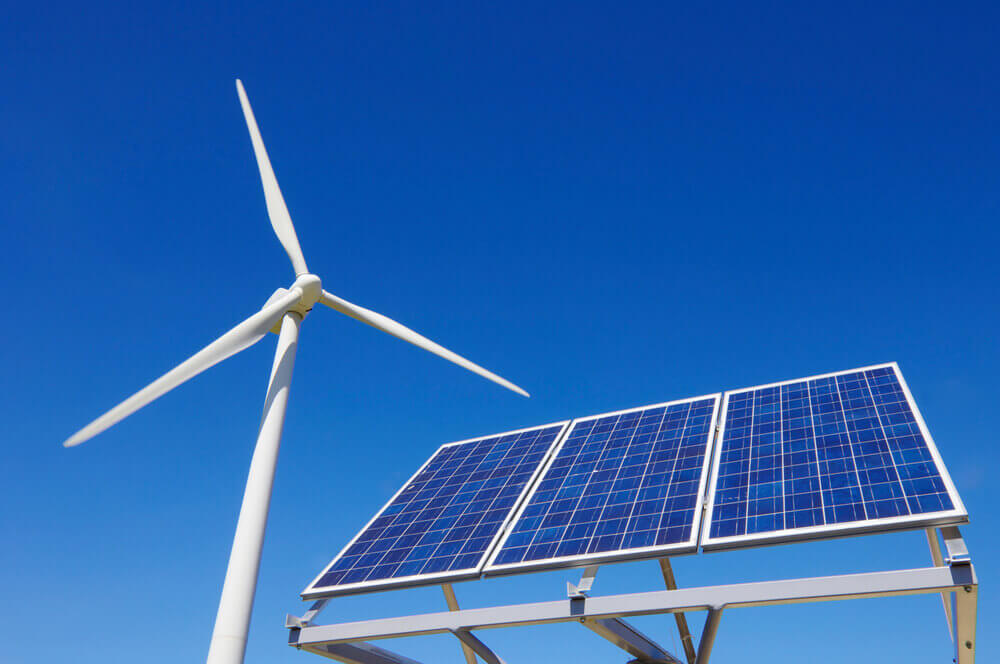
يعد اتخاذ قرار بتوليد الطاقة المتجددة الخاصة بك خطوة قوية نحو استقلال الطاقة وتقليل البصمة الكربونية. لكن, أحد الأسئلة الأكثر شيوعًا التي نسمعها هو: “هل يجب علي تركيب الألواح الشمسية أو توربينات الرياح?”
الحقيقة هي, لا يوجد واحد “أفضل” خيار. يعتمد الاختيار الصحيح كليًا على موقعك المحدد, خصائص الملكية, وأهداف الطاقة.
فيما يلي دليل شامل لمساعدتك في اختيار التقنية المناسبة لموقعك.
العوامل الرئيسية في قرارك
قبل أن نتعمق في الإيجابيات والسلبيات, تحتاج إلى تقييم ثلاثة عوامل حاسمة على الممتلكات الخاصة بك:
- الموارد الخاصة بك: هل لديك المزيد من الشمس أو المزيد من الرياح?
- المساحة الخاصة بك: هل لديك حقل واسع مفتوح أو سطح قوي?
- ميزانيتك: هل تبحث عن أقل تكلفة مقدمة أو أفضل استثمار طويل الأجل لموقفك المحدد؟?
Let’s break down how solar and wind power stack up against each other.
Solar Photovoltaic (PV) قوة: The Consistent Champion
Solar power is the most popular choice for residential and commercial renewable energy—and for good reason. It is predictable, quiet, and requires little maintenance.
Solar is the Best Choice If:
· You have a sunny, unobstructed roof or land. South-facing exposure (in the Northern Hemisphere) with no shade from trees or buildings is ideal.
· You live in a suburban or urban area. Solar panels are discreet, silent, and have no moving parts, making them perfect for residential neighborhoods.
· Your peak energy usage is during the day. Solar panels generate power precisely when the sun is out, offsetting the high cost of daytime air conditioning or business operations.
· You want a low-maintenance solution. With no moving parts, solar panels typically only need to be cleaned a couple of times a year and often come with 25+ year warranties.
The Pros of Solar:
· Predictability: Solar production is highly predictable based on historical weather data.
· Aesthetics: Panels can be integrated into rooftops more discreetly than a turbine.
· Low Maintenance: No moving parts means less can go wrong.
· Scalability: It’s easy to start with a smaller system and expand later.
The Cons of Solar:
· Nighttime Downtime: Solar panels don’t generate power at night without a battery storage system.
· Efficiency in Cloud/Shade: Production drops significantly on cloudy days or if panels are partially shaded.
Wind Power: The Nighttime Powerhouse
Small wind turbines can be incredibly effective, but they have very specific siting requirements. They generate power day and night, making them a great complement to solar.
Wind is the Best Choice If:
· You live on a large, rural property. You generally need at least one acre of land to safely and effectively install a tower.
· Your average wind speed is 10-12 ميلا في الساعة (4.5-5 آنسة) or higher. You can check wind maps, but site-specific data is crucial. Wind speeds increase dramatically with tower height.
· You need power at night or during winter. Wind often blows stronger when the sun isn’t shining, making it an excellent pairing for off-grid systems.
· Your local zoning allows it. Many municipalities have strict height restrictions that make wind turbines difficult to permit.
The Pros of Wind:
· 24/7 Production: Wind can generate electricity at any time of day or night.
· Higher Output per Square Foot: In a consistently windy location, a single turbine can produce more electricity than a rooftop array covering the same area.
· Winter Performance: Wind is often stronger in winter, while solar production is lower, providing better year-round balance.
The Cons of Wind:
· Turbulence: To work well, a turbine needs to be placed 30 feet above anything within 500 feet. In turbulent (gusty) wind near trees or buildings, a turbine will wear out quickly and produce little power.
· Maintenance: With moving parts (gearbox, blades), turbines require more regular maintenance than solar panels.
· Noise and Aesthetics: Turbines create a “whooshing” sound and a visual presence that neighbors may not appreciate.
· Wildlife: Birds and bats can be impacted by spinning blades.
Solar vs. رياح: A Head-to-Head Comparison
Feature Solar PV Small Wind Turbine
Best Location Urban, Suburban, Rural Rural, Agricultural, Remote
Space Required Roof or small ground area 1+ acre, tall tower required
Primary Fuel Sunlight (requires clear skies) رياح (requires 10-12+ mph avg)
Production Time Daytime only Anytime (day, night, winter)
Maintenance Very Low (Clean panels) Moderate (Moving parts)
Noise Level Silent Noticeable “Whoosh”
Visual Impact Low to Moderate High
Permitting Usually Straightforward Often Complex (Height restrictions)
The Hybrid Solution: Getting the Best of Both Worlds
For those with the space and resources, a hybrid solar-plus-wind system is the holy grail of home renewable energy.
· How it works: Solar handles the daytime loads, while wind picks up the slack at night and during stormy winter months.
· The Benefit: This combination leads to a much more stable energy supply year-round. It also allows you to potentially downsize your battery bank, as you have two sources charging it at different times.
· Who it’s for: This is ideal for remote off-grid homes or properties with excellent sun and wind resources.
Making Your Final Decision: A Simple Checklist
To help you decide, run through this quick checklist:
- Check the Map: Look at a wind resource map for your area. If you are in a low-wind zone (most of the U.S. east coast, مثلا), solar is likely your winner.
- Look at Your Roof: Does your roof face south and get full sun? If yes, solar is the easiest path.
- Look at Your Land: Do you own several acres of land with few trees? If yes, it might be worth getting a wind assessment.
- Talk to Your Neighbors: هل أنت في حي كثيف? من المحتمل أن يتم رفض توربينات الرياح من قبل مجالس تقسيم المناطق والجيران, جعل الطاقة الشمسية الخيار الوحيد القابل للتطبيق.
- استشر أحد المتخصصين: تقييم الموقع لا يقدر بثمن. يمكن للمحترف قياس إمكانات الطاقة الشمسية بدقة وتقدير سرعات الرياح على ارتفاع البرج.